There are certain things a thirty-one-year-old guy probably shouldn’t admit publicly. For instance, I’ve spent an embarrassing amount of time reading Dante for fun, I have very strong opinions about Gothic cathedrals, and I firmly believe a good bourbon tastes better around a campfire than at a rooftop bar. And, perhaps most concerning of all, I have an undeniable tendency to fall for dead girls.
Now, before anyone reports this article, forwards it to my parish priest, or sends it to my future wife as Exhibit A, let me explain. I don’t mean this in the strange, psychological-thriller sort of way. I mean that, somewhere along the way, I realized that almost every woman I’ve ever admired—whether on the silver screen, in biographies, or in history books—has been dead for decades. Apparently, my type peaked somewhere between the 1930s and the 1960s. I’ve accepted it.
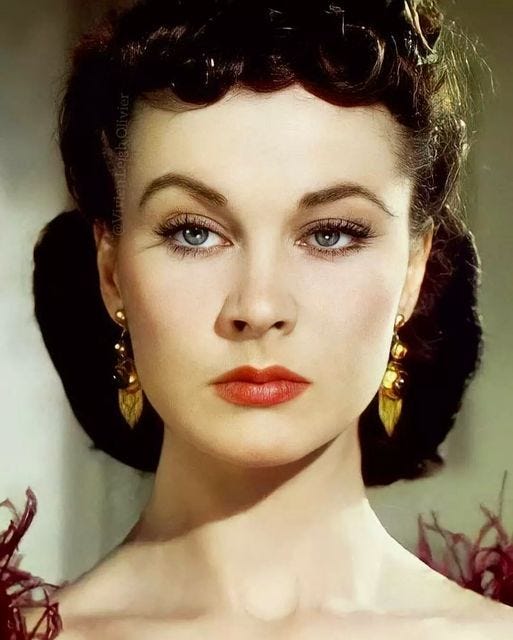
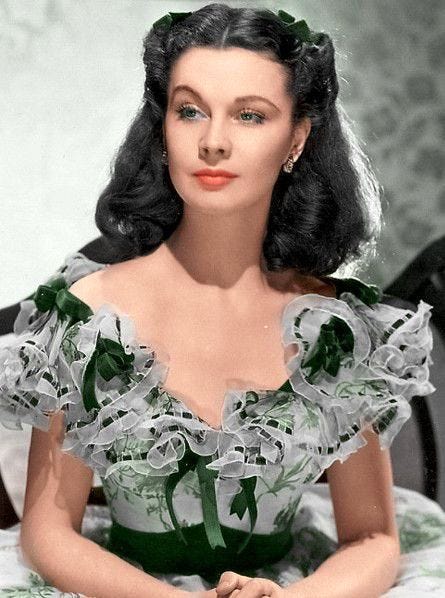
My first celebrity crush wasn’t someone from my generation. It wasn’t a Hollywood actress with millions of Instagram followers or a pop star whose songs dominate every road trip playlist. It was Vivien Leigh. I remember the first time I watched Gone with the Wind. Like most young men, I probably should have been paying attention to the Civil War, the burning of Atlanta, and the historical significance of everything unfolding before me. Instead, I spent three and a half hours wondering, Who is this woman?
Now, before anyone judges me, let me defend myself. She wasn’t simply beautiful. Plenty of women are beautiful. Vivien Leigh possessed something that made beauty come alive. Those emerald eyes somehow managed to be both soft and fierce. She had the sort of confidence that never felt rehearsed, the kind that simply flowed out of who she was. She could silence a room with a glance, make you laugh with one perfectly timed remark, and then five minutes later remind you that Scarlett O’Hara was stubborn enough to test the patience of Job himself. She was elegant without becoming untouchable, strong without trying to become a man, and feminine without becoming fragile. She didn’t merely walk into a room; she seemed to change the room. Long before I had words for it, I realized I wasn’t simply watching an attractive woman—I was witnessing presence.
Then, years later, I discovered June Carter Cash. To this day, I maintain that if joy were somehow transformed into a human being, it would probably sound like June Carter laughing. She was absolutely beautiful, but that isn’t what captured me. It was her spirit. She laughed with her whole body, teased Johnny Cash without ever belittling him, and possessed a wit that could fill an auditorium alongside a kindness that made everyone around her feel like family. She wasn’t trying to be the center of attention, yet somehow she always became it—not because she demanded the spotlight, but because joy has a funny way of drawing people toward it.
I’ve always thought there is something incredibly attractive about a woman who can make people laugh—not laugh at someone, but laugh with them. The world has enough cynics. Give me the woman who can laugh until she snorts, wipes away tears, and somehow convinces everyone else that life is still beautiful despite its hardships. June Carter reminded me that beauty smiles. Better yet, beauty laughs.


Then came Romy Schneider. Europe didn’t simply admire her; it adored her. When I first watched her in The Cardinal, I remember thinking she possessed something almost impossible to describe. Then I watched Sissi, and suddenly I understood why an entire continent had fallen in love with her. She carried herself with an innocence that never became childish, and there was a gentleness about her that never appeared weak. She smiled as though kindness was simply the most natural thing in the world, yet beneath that smile was a quiet melancholy that history would later reveal wasn’t merely acting.
Perhaps that’s why she still captivates people. Beauty mixed with sorrow often lingers longer in the heart than beauty alone. Romy taught me that beauty can whisper. Not every beautiful woman needs to command a room; sometimes she simply brings peace into it.


Then came Ingrid Bergman. I’ll admit something that may sound ridiculous: she somehow managed to make an entire generation of men develop a crush on a nun. That’s no small accomplishment. Watching The Bells of St. Mary’s, I found myself captivated less by her appearance and more by her eyes. We compliment people’s eyes all the time, but rarely do we stop to ask why they are beautiful. It isn’t simply their color; it’s what they reveal.
There was warmth there, mercy, and compassion—the sort of smile that made you feel forgiven before you even knew what you had done wrong. She reminded me, however imperfectly, of those Renaissance paintings of the Blessed Virgin Mary where the artist somehow captures both strength and tenderness in a single expression. She made holiness seem beautiful, or perhaps she reminded us that holiness has always been beautiful.

Then there was Grace Kelly. She possessed something previous generations simply called class—a wonderful word we don’t use enough anymore. She never seemed interested in chasing attention because she never needed it. Whether she was walking onto a movie set or into a royal palace, she carried herself with remarkable dignity. She dressed elegantly without appearing vain, spoke softly without appearing timid, and proved that modesty and confidence were never enemies.
If Vivien Leigh was fire, Grace Kelly was calm waters. She reminded me that elegance is not something you wear; it’s something you become.

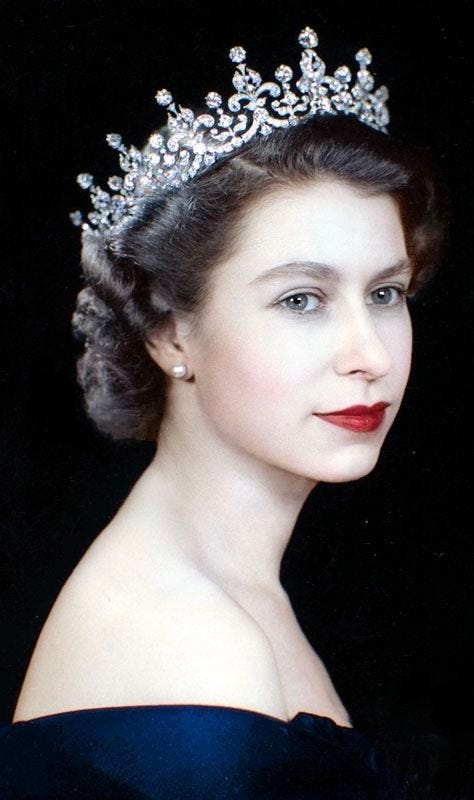
And finally, perhaps my most unusual admiration: Queen Elizabeth II. No, this is not my subtle attempt to become King of England, although I certainly wouldn’t have objected to inheriting Balmoral. What captivated me wasn’t youthful beauty; it was enduring beauty. She stood through wars, political turmoil, family heartbreak, cultural revolutions, and seventy years of public life with extraordinary steadiness.
Time stole her youth, but it magnified her character. The older she became, the more beautiful she seemed—not because age ignored her, but because faithfulness had refined her. She reminded me that perhaps the most beautiful women are not the ones who remain forever young; they are the ones who remain forever faithful.
Looking back now, I realize something. None of these women captivated me merely because they were attractive. If that were the case, history would have forgotten them long ago. No, each of them possessed something far rarer. Vivien taught me beauty could possess fire. June Carter taught me beauty could laugh. Romy Schneider taught me beauty could be gentle. Ingrid Bergman taught me beauty could show mercy. Grace Kelly taught me beauty could carry dignity. Queen Elizabeth taught me beauty could endure.
Only much later did I realize that what captivated me wasn’t simply feminine beauty. It was feminine beauty illuminated by virtue. And that realization eventually led me to a lovesick Florentine poet named Dante Alighieri, a young woman named Beatrice, and perhaps the greatest lesson ever written about why beauty has the extraordinary power to awaken the human heart.
Dante and I actually have a lot in common.
We’re both hopeless romantics.
The only difference is that he was a fourteenth-century Italian poet who gave the world one of the greatest works of literature ever written, and I’m a project coordinator from Georgia writing about my celebrity crushes on Substack. So he’s got me there.
If you’ve never read Dante, you’ve probably at least heard the name. Most people know him because of The Divine Comedy—Inferno, Purgatorio, and Paradiso. They think it’s a story about Hell.
It isn’t.
It’s a story about love.
Or maybe more accurately, it’s a story about where love ultimately leads.
Long before Dante wrote about descending into Hell or climbing the mountain of Purgatory, there was a woman named Beatrice. According to tradition, Dante first saw her when they were both about nine years old. He encountered her only a handful of times throughout his life. They never courted. They never married. There was no grand romance worthy of Hollywood. If you pitched their story to a movie producer today, they’d probably reject it for “not enough chemistry.”
And yet, she became the great love of his life.
Not because she belonged to him, but because she changed him.
In La Vita Nuova (The New Life), Dante describes seeing Beatrice for the first time with words that almost sound excessive—until you’ve encountered someone who changes your life simply by existing. He writes, “At that instant, I say truly that the spirit of life, which dwells in the most secret chamber of the heart, began to tremble so violently that even the least pulses of my body shook.”
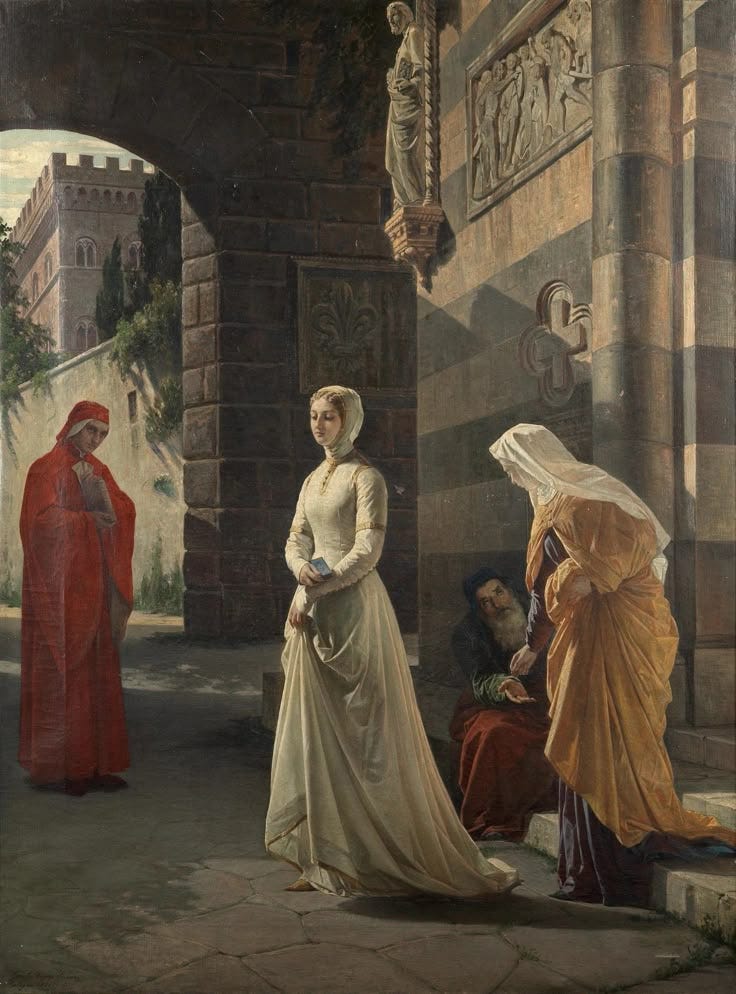
Gentlemen, if that’s not poetry, I don’t know what is.
Today we’d probably text our best friend, “Bro… I think I just met her.” Dante writes as though every chamber of his soul suddenly woke up. There’s something wonderfully innocent about that. He isn’t describing desire. He isn’t describing infatuation. He isn’t even describing romance, at least not yet.
He’s describing awakening.
The heart recognizing beauty before the mind can explain it.
Years later, Dante would write perhaps the most astonishing sentence ever penned about another human being. Speaking of Beatrice, he says, “She seemed no daughter of mortal man, but of God.”
Now, before someone accuses Dante of putting Beatrice on a pedestal, it’s important to understand what he means. He isn’t saying she is divine. He’s saying she reflects the Divine. There’s a difference.
The beauty Dante sees isn’t beauty that ends with Beatrice herself. It passes through her like sunlight through stained glass. You don’t stop at the window. You look through it.
That’s exactly what Beatrice becomes—a window. She becomes the woman who eventually guides Dante through Heaven itself, not because she is Heaven, but because she knows the way to the One who made it.
That has always struck me as one of the most beautiful ideas ever written. The greatest love of Dante’s life doesn’t ask him to remain gazing at her. She gently turns his head toward God.
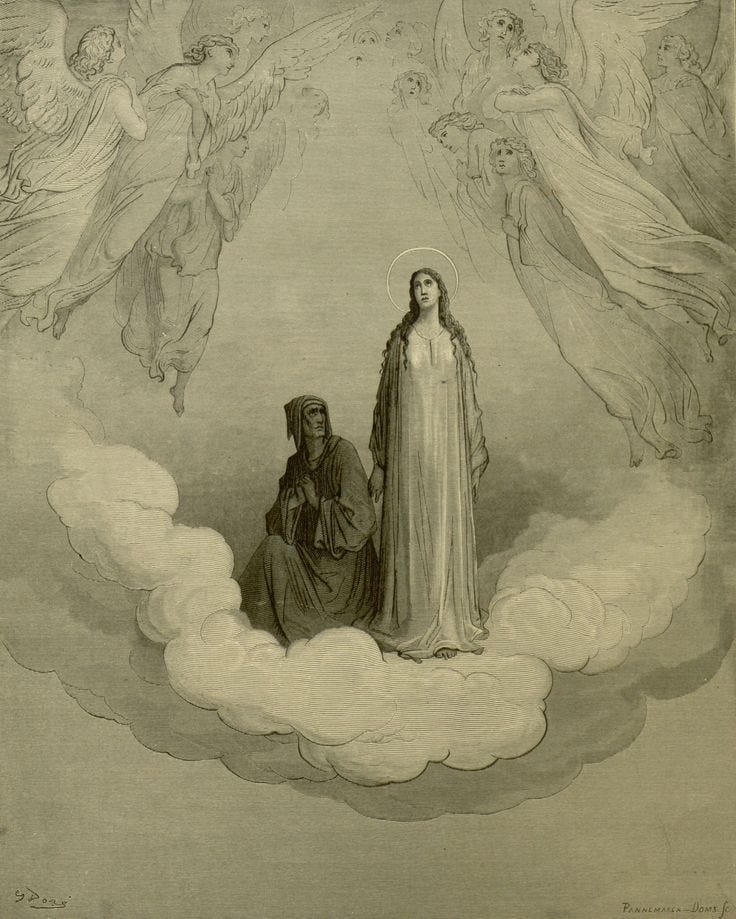
In Paradiso, something extraordinary begins to happen. The closer Beatrice draws to God, the more beautiful she becomes. Dante repeatedly finds himself at a loss for words because her radiance continues to increase. At one point he essentially admits that language itself has failed him. No poet, he says, could adequately describe what he sees.
Think about that.
The closer he comes to Beauty Himself, the more beautiful she becomes. Not younger. Not prettier. More beautiful.
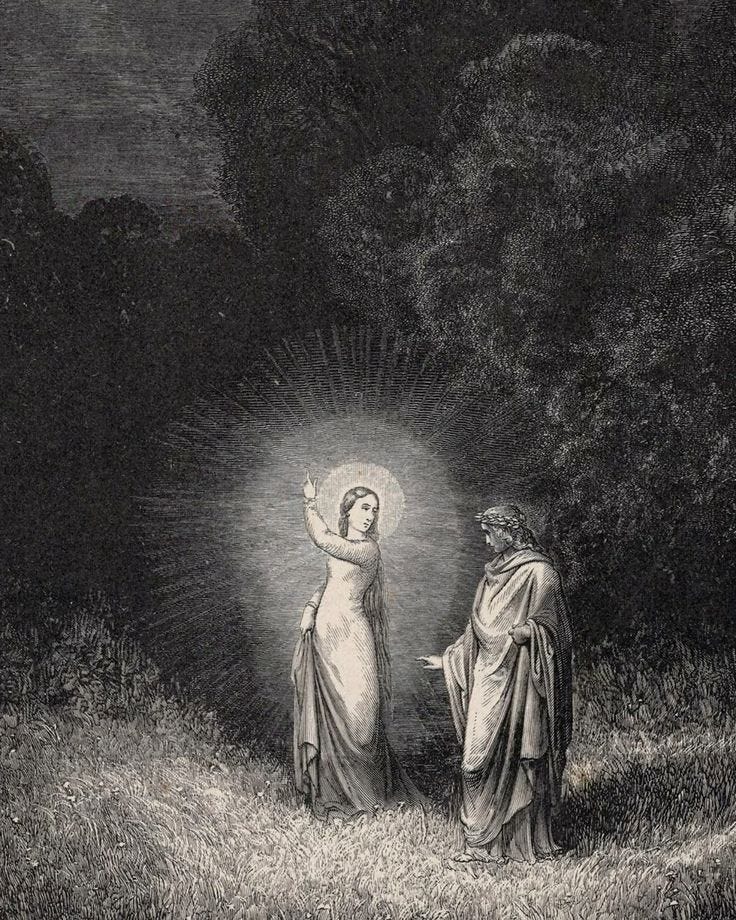
Because beauty, in the Christian imagination, is not merely smooth skin, perfect symmetry, or youthful features. Beauty is participation. It is the soul becoming increasingly transparent to the goodness of God.
Perhaps that’s why the saints often appear so radiant in sacred art. It isn’t because artists believed they all had perfect cheekbones—although, to be fair, Renaissance painters were rather generous to everyone. No, the halo isn’t merely artistic decoration.
It’s theology.
It is the artist’s way of saying, “This person has become luminous because God shines through them.”
Dante understood something we’ve largely forgotten. Beauty does not exist for possession. It exists for transformation.
Real beauty doesn’t merely make you stare. It makes you want to become better. It stirs something ancient inside a man. It makes him want to write poems, build cathedrals, fight dragons, start families, plant gardens, compose symphonies, cross oceans, and become worthy of the woman standing before him.
Perhaps that’s why every civilization has spent thousands of years trying to define beauty and has never quite succeeded. Because every truly beautiful thing in this world is only an echo—an echo of the One whom Dante finally beholds at the end of The Divine Comedy, when, after every mountain climbed and every star crossed, he concludes with the most breathtaking line in all of literature: “The Love that moves the sun and the other stars.”
That’s the destination.
Not Beatrice.
Love Himself.
And suddenly I realized something. Every woman I’d admired—Vivien Leigh, June Carter, Romy Schneider, Ingrid Bergman, Grace Kelly, Queen Elizabeth—had captivated me for the same reason Beatrice captivated Dante. Not because they were flawless. Not because they were merely attractive.
But because, each in her own unique way, they reflected something eternal—something that pointed beyond themselves, something that made me think there must be a Beauty greater than all earthly beauty.
And if Dante is right, there is.
If you think Dante was simply being an overly dramatic Italian—and to be fair, Italians have earned a reputation for being wonderfully dramatic—history itself would argue otherwise. There is something deeply human, almost instinctive, about the way beauty affects us. It is not a modern invention, nor is it something confined to poetry or romance novels. Beauty has always moved the world, shaping decisions, inspiring action, and stirring the human heart in ways that logic alone never could.
The ancient Greeks understood this long before psychologists, philosophers, or Hollywood relationship experts tried to explain why men and women are drawn to one another. Homer didn’t write a clinical analysis; he told a story. He told of a woman whose beauty was said to launch a thousand ships—Helen of Troy. Whether Helen was truly the most beautiful woman who ever lived is almost beside the point. The story has endured not because of historical accuracy, but because it captures something profoundly true about human nature.
Beauty moves men. Sometimes it moves them toward greatness, and sometimes it leads them toward ruin. Entire kingdoms have risen because of it, and entire kingdoms have fallen because of it. Across centuries, poets have filled libraries trying to describe it. Sculptors have spent decades attempting to carve it from marble. Painters have exhausted their palettes trying to capture it on canvas. Composers have written symphonies because a woman smiled at them once. Men have crossed oceans, built cities, written sonnets, and gone to war—all because a beautiful woman looked at them and made them believe they were capable of becoming more than they were the day before.
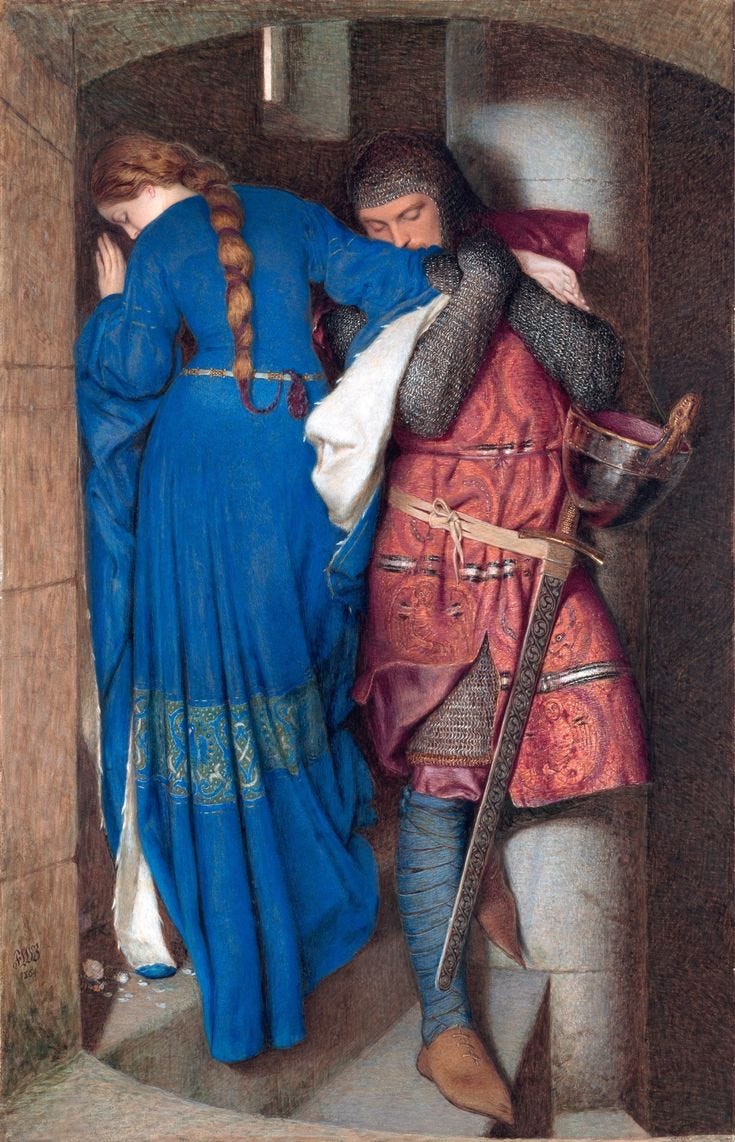
Now, before anyone accuses me of suggesting that men have no self-control—and admittedly, some of us could use a bit more—that isn’t the point. The point is something deeper and far more important. Beauty awakens. It calls something out of us. It reminds us that life is meant to be more than mere survival. A truly beautiful woman doesn’t simply make a man notice her; she makes him want to become worthy of her.
There is a reason young men suddenly start combing their hair, ironing their shirts, shaving their beards properly, getting real jobs, going back to church, and occasionally even learning proper grammar after meeting the right woman. Ladies, you have no idea how much influence you possess. One smile has started more gym memberships than New Year’s resolutions ever have. One beautiful woman has convinced countless men that perhaps they should finally clean their truck—or their apartment—or, in some tragic cases, both.
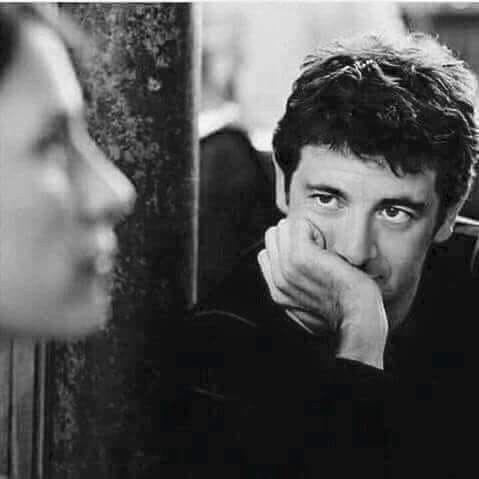
Beneath the humor, however, lies something deeply true. A woman has the remarkable ability to call a man out of himself. Not by commanding him, not by controlling him, but simply by being worthy of pursuit. That is why authentic beauty has always been dangerous—not because it exists, but because it is powerful. And power always carries with it the possibility of being used well or being distorted.
Nowhere is this more clearly revealed than in Sacred Scripture. The Bible begins with beauty. God looks upon creation and repeatedly declares it “good,” and in the Hebrew understanding, goodness is inseparable from beauty. Eden is not merely functional; it is radiant. Rivers flow, trees bear fruit, gold fills the land. The garden is not just a place of survival—it is an icon of divine generosity.
Then, almost quietly, Scripture introduces woman. Not as an afterthought, and certainly not as a helper in the modern, watered-down sense of the word. She is the crown of creation. Adam has spent an entire day naming every creature under heaven, yet none of them quiets the longing within him. Then God creates Eve.
Adam does not respond with a theological dissertation. He writes the first love poem: “This at last is bone of my bones and flesh of my flesh.” Notice his response. He does not begin with utility. He begins with wonder. He does not ask what she can do for him. He simply beholds.

That is always the first response to authentic beauty—wonder. Before desire. Before possession. Before utility. Wonder.
Perhaps that is what we have forgotten. Our culture has become very good at looking, but it has almost forgotten how to behold. There is a difference. To look is to consume; to behold is to receive. One takes, while the other gives thanks. That distinction changes everything.
Which brings us to perhaps the most beautiful woman who has ever lived. Oddly enough, Scripture tells us almost nothing about what she looked like. We are given no details about her height, the color of her eyes, or the shade of her hair. Nothing. If Hollywood were writing the Gospels, we would likely get three chapters describing Mary’s appearance before Gabriel ever knocked on the door.

Instead, Luke tells us something infinitely more important: “He was sent to a virgin…” Her beauty was never her introduction—her holiness was. The angel does not marvel because she is physically beautiful. He marvels because she is “full of grace.”
Perhaps that is the greatest lesson Christianity has ever given the world. The most beautiful woman in history did not change civilization by conquering nations, winning elections, building empires, or becoming famous. She changed history with one simple phrase: “Let it be done unto me.”
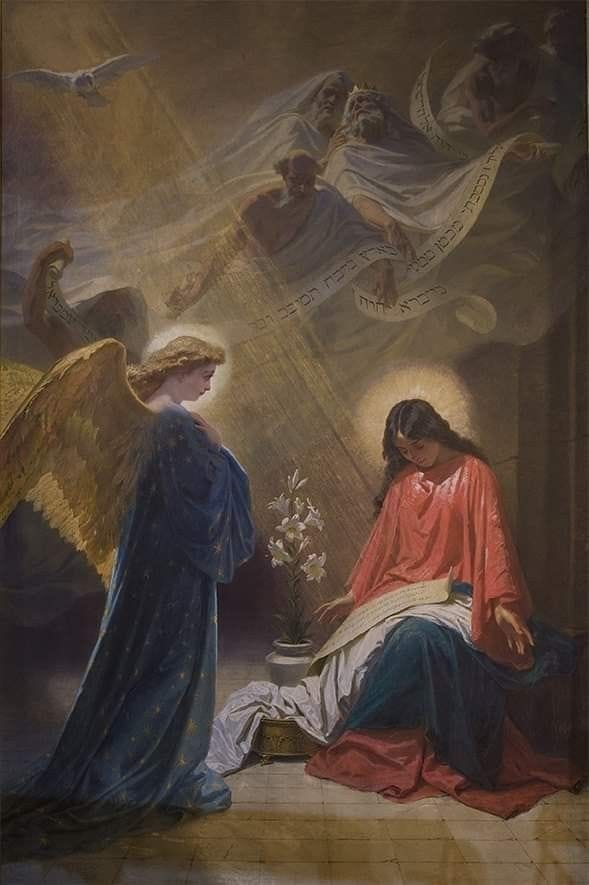
Her fiat accomplished what every army, emperor, and philosopher could not. She gave the world Christ. That is beauty in its fullest expression—not beauty that merely captivates, but beauty that gives life.
Somewhere along the way, we forgot all of this. Somewhere between endless scrolling, dating apps, algorithms, and a culture obsessed with image, we quietly exchanged beauty for attraction. Those two things are not the same, even though we often treat them as if they are.
Beauty says, “Come and know me.” Attraction says, “Come and consume me.” Beauty invites wonder, while lust demands possession. Beauty waits patiently, while lust grabs impulsively. Beauty gives generously, while lust takes endlessly. One leaves the soul fuller, while the other always leaves it hungry.
Perhaps that is why so many people today feel starved despite being surrounded by endless images of attractive people. We have mistaken abundance for fulfillment, and in doing so, we have lost sight of what truly nourishes the human heart.
The world tells young women from the time they are little girls that their greatest asset is their appearance. They are told to be prettier, thinner, sexier, more desirable. They are encouraged to be noticed, to be wanted, to be envied. And if that means revealing more of themselves, flirting a little harder, chasing validation, or measuring their worth by likes and comments, then that is presented as the price of success.
What a heartbreaking lie that is. Because eventually, the applause grows quiet. Beauty was never meant to become a performance; it was meant to become a gift.
One of the most haunting films I have ever seen is the Italian masterpiece Malèna. If you have never watched it, let me warn you—it is beautiful, heartbreaking, and it will likely make you angry. The story follows a young boy named Renato during the Second World War, but the true heart of the film is a woman named Malèna.
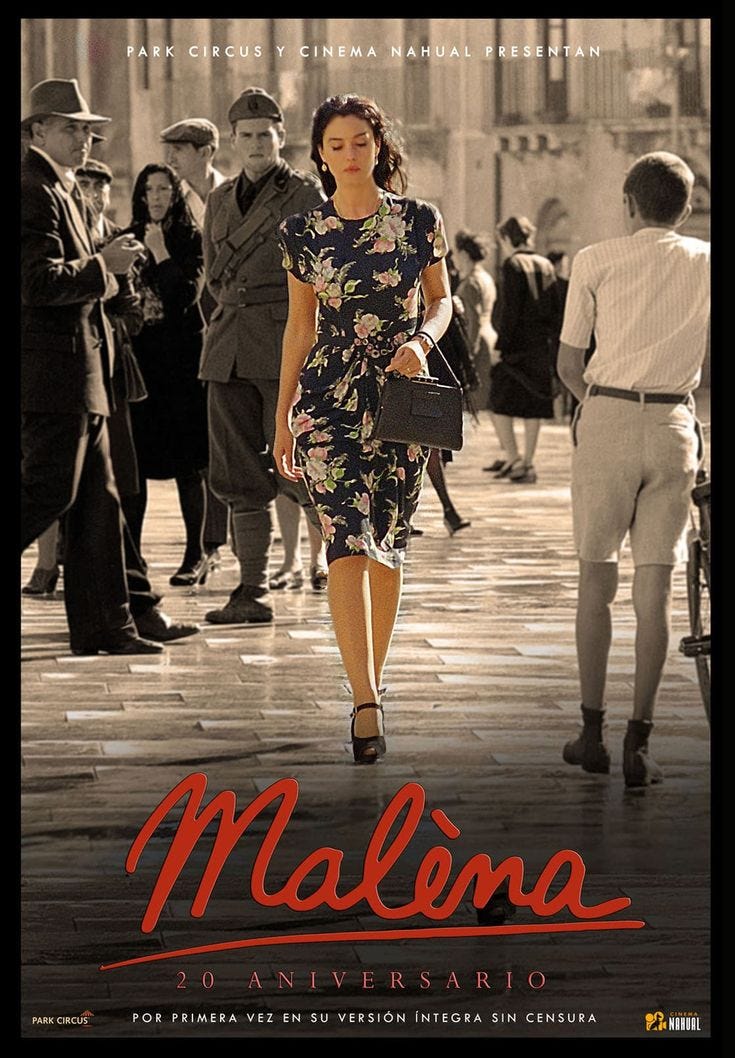
She is played by Monica Bellucci, and from the moment she first walks down the street, the entire town stops. Men stop talking, women stop smiling, and every head turns as every eye follows her. The men desire her, and the women resent her, yet neither group actually sees her. That is the tragedy.
She becomes a fantasy to the men and a threat to the women. She is no longer a person, no longer a daughter, no longer a wife, and no longer a grieving young woman whose husband has gone off to war. She becomes simply an object.

Rumors begin, whispers spread, and loneliness settles in. As the war drags on, Malèna loses everything. Her father is killed, her husband is presumed dead, and she is left with no income, no protection, and no one willing to defend her. Eventually, desperation drives her into relationships with German officers in exchange for food and security.
People often criticize her choices, but very few stop to ask what desperation truly feels like. Then comes one of the most painful scenes in the film. When the war ends, the very men who once desired her suddenly pretend they never knew her. The women who envied her drag her into the street, beat her mercilessly, cut off her hair, and publicly humiliate her.
The town destroys the very beauty it once worshipped. Why? Because it never loved her. It only loved possessing the idea of her. The moment beauty becomes something to consume rather than someone to encounter, violence is never very far behind.

Malèna is not really a movie about beauty; it is a movie about loneliness. It shows what happens when the world tells a woman she is valuable only because she is desirable. Eventually, she begins to believe it.
And is that not exactly where we find ourselves today? Young women are told every day that empowerment means becoming more visible, more provocative, more desirable, and more marketable. Their bodies become brands, their faces become advertisements, and their worth becomes measured in followers, attention, and approval from strangers they will never meet.
All the while, their hearts quietly whisper that there has to be more than this. And there is. There always has been.
A woman’s beauty was never meant to end with her appearance; it was meant to reveal her person. This is where we men often fail, and for that, we should ask forgiveness. Sometimes we are foolish—many times, in fact. We mistake chemistry for love, infatuation for devotion, and attention for affection. Then we wonder why relationships collapse under the weight of expectations they were never meant to carry.
Gentlemen, if I can offer one piece of advice, it is this: stop looking for the hottest woman in the room and start looking for the woman whose beauty makes you want to become a better, holier man. Those are rarely the same person.
Look for the woman who makes you laugh, who speaks kindly to the waitress, who comforts a crying child she does not even know. Look for the woman whose joy is not dependent on everyone looking at her, the woman who prays, who forgives, who serves, and whose beauty somehow becomes greater the longer you know her.
That is the woman who changes a man’s life, not because she is perfect, but because she reminds him of the kind of man he wants to become.
Ladies, may I let you in on a little secret? Most good men are not looking for perfection; we are looking for peace. We are looking for someone whose presence feels like coming home after a very long journey. We are looking for the woman who reminds us that goodness still exists, the woman whose smile calms storms we never talk about, and the woman who makes us think that we could build a life with her.
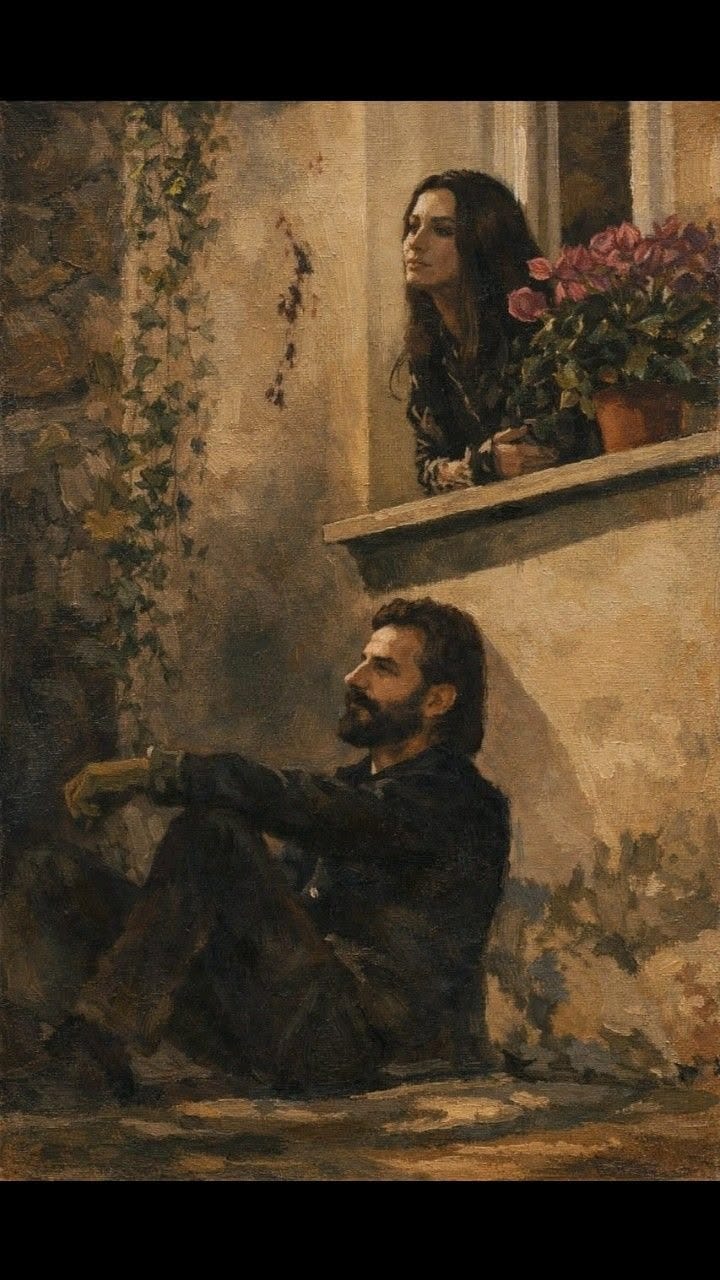
Not simply because she is beautiful, but because her beauty reaches far beyond her face. That is the kind of beauty no mirror can measure, and thankfully, it is the only kind that time can never truly take away.
And perhaps that is where our culture has made its greatest mistake. We have convinced ourselves that a woman’s greatest beauty belongs to her youth, while Christianity has always insisted that a woman’s greatest beauty belongs to her love. Those are two very different things. One inevitably fades, while the other only grows.
That is why I have never understood the world’s obsession with chasing youth as though wrinkles were somehow an enemy. They are not. They are evidence. Every line around a mother’s eyes tells a story. Every weathered hand has held a child. Every gray hair has survived another season of life. There is something profoundly beautiful about a woman who has spent herself loving others.

You see it most clearly in grandmothers. I do not know about you, but I have never once looked at my grandmother and thought, “She’s old.” I have always thought, “She’s beautiful.” Not because she looked twenty-five, but because she loved like she had lived a thousand lives.
Beauty matures. It deepens. It becomes quieter. When I was younger, beauty meant a smile that could stop traffic. The older I have become, the more beauty looks like a woman kneeling beside her child’s bed, teaching them how to pray. Beauty looks like a wife waiting patiently while her husband learns, for the fifteenth time, that “I’ll get to it tomorrow” somehow never means tomorrow. Beauty looks like a daughter caring for aging parents. It looks like a teacher staying after school because one struggling student needs someone to believe in them. It looks like a nurse holding the hand of a dying patient when no family can be there. It looks like a religious sister quietly serving Christ in hidden places where cameras never go. It looks like a young woman saying “yes” to God’s will even when it costs her everything.
That is the remarkable thing about feminine beauty. It was never confined to romance. Romance may awaken it, marriage may reveal it, motherhood may deepen it, religious life may consecrate it, professional life may express it, and friendship may multiply it. But none of those vocations create beauty. They simply give beauty somewhere to become fruitful.
I think we have done women a tremendous disservice by telling them that beauty exists primarily to be admired. It does not. A woman’s beauty exists to give life. Sometimes that life is literally a child. Sometimes it is a classroom full of students. Sometimes it is a business built with integrity. Sometimes it is art that lifts the human spirit. Sometimes it is meals prepared around a family table. Sometimes it is caring for the poor. Sometimes it is writing books. Sometimes it is healing the sick. Sometimes it is quietly praying for people who will never know your name. The vocation changes, but the beauty of a woman does not.
Ladies, if I may be so bold, let me say something plainly. Do not fall for the shallow scripts our culture keeps handing you. The “hot girl summer” mentality, the niche little echo chambers that tell you to flaunt yourself, to build your identity around being desired, to lean into this performative “I’ll do whatever I want because I’m hot and I know it” attitude—it may get attention, but it does not command respect. It is not deep. It is not compelling. And if I’m being honest, it is often off-putting.

I have seen groups of women lean into that persona, and the reaction is not admiration—it is confusion. It feels empty. It feels like a performance with no substance behind it. And the tragedy is not that it fails to impress men. The tragedy is that it sells you short. You are far more interesting, far more powerful, and far more beautiful than a curated image built on attention and validation.

The world will spend your entire life trying to convince you that your value rises and falls with how many people desire you. Please do not believe it. You are worth infinitely more than the attention you receive. You are not beautiful because someone notices you. You are beautiful because you were created in the image of Beauty Himself. That means your beauty was never something you had to manufacture. You do not have to earn it, edit it, filter it, compare it, or compete with the woman sitting next to you. Beauty is not a competition; it is a participation.
Every truly beautiful woman reflects God differently. That is why comparing women is like comparing stained-glass windows. One reveals blue, another crimson, another gold. Each allows the same light to shine through. Different colors, the same Sun.
And gentlemen, permit me a brief word with you. If the greatest compliment you can offer a woman is that she is “hot,” your vocabulary needs a conversion. Call her beautiful. Tell her she is graceful. Tell her she is kind. Tell her she has a contagious laugh. Tell her she makes people feel seen. Tell her she carries herself with dignity. Tell her her joy lights up a room. Tell her she is wise. Tell her she has courage. Tell her she reminds you of home. Because if all she ever hears from us is that she is desirable, we should not be surprised when she begins believing that is all she is meant to be.
We have the ability to call beauty out of women by the way we choose to see them, just as women have the remarkable ability to call greatness out of men by believing they can become more. That is the dance. That is the romance. That is the mystery. And it is precisely why the beauty of a woman has always had the power to build civilizations—or to destroy them.
So perhaps the better question is not whether beauty matters. It always has. The question is what kind of beauty we choose to honor: the kind that fades when the lights dim and the years pass, or the kind that grows brighter with every act of love. One will leave us empty; the other will leave us changed.
And if we learn to recognize the difference—truly recognize it—we might just begin to see women the way they were always meant to be seen: not as objects to admire, but as souls to cherish. And that, I think, is where the beauty of a woman finally becomes what it was always meant to be—not something we chase, but something she becomes, and something we are invited to honor.